 I’ll skip the long, long back story and get right to the point. If you’ve been looking for a way that individuals and small groups of people acting on their own initiative can control dangerous tobacco products at the local level, this is it. Here’s wishing you a successful 2019.
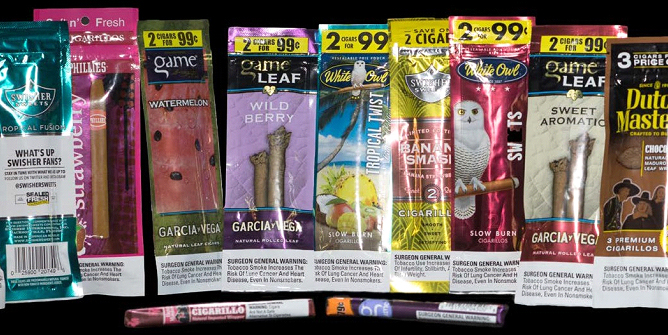
I recently had a number of off-the-shelf tobacco brands tested for pesticide residues. This was the first time this has been done in the US, in spite of the massive amounts of tax and private money spent every year on so-called “tobacco control and prevention”.
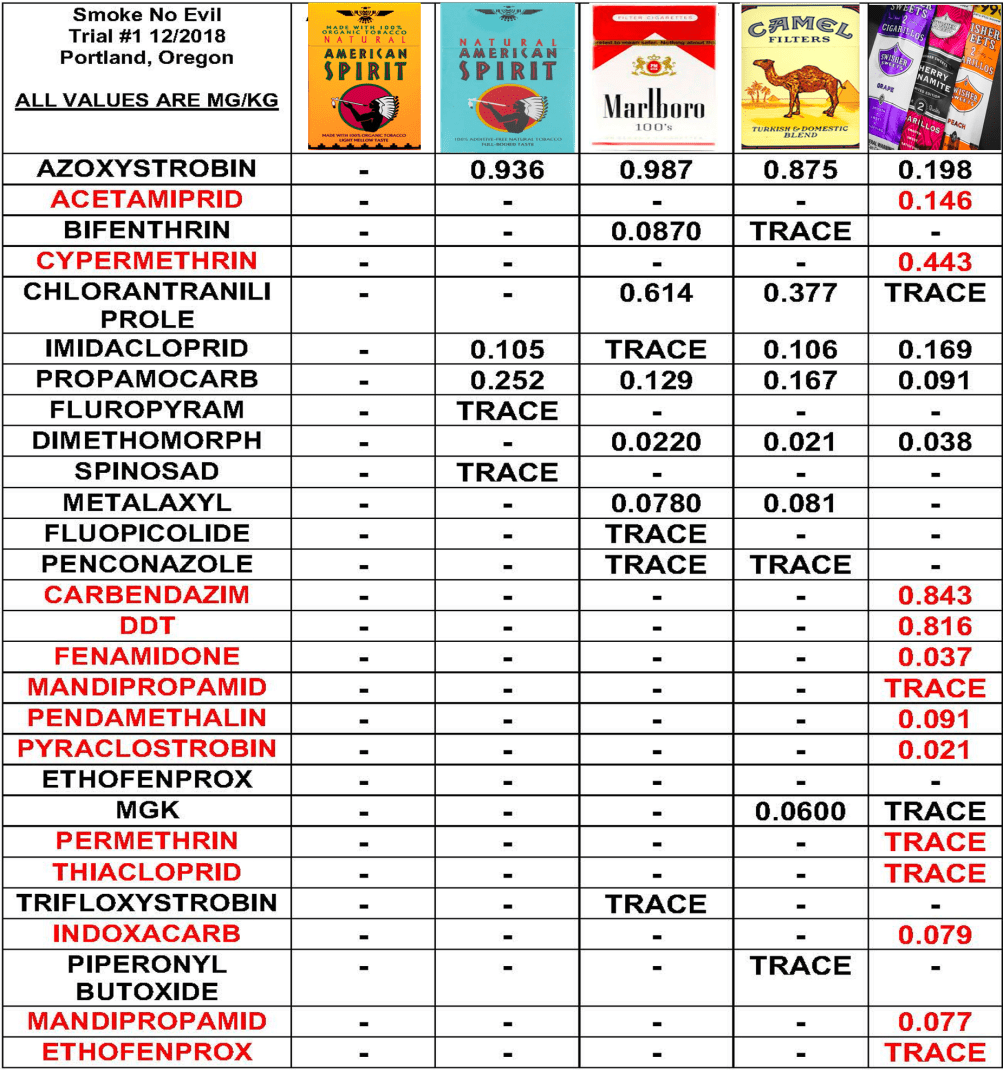
In this post I’m including hard evidence showing the concentration of illegal, totally banned DDT I found on the most popular brand of sweet & fruity little cigars, Swisher Sweets – the top choice among low-income, Black and Hispanic teens. They are also arguably the most toxic piece of shit in the whole pile of toxic shit that this rat pack of corporate criminals sells to kids. Don’t get me wrong – I found extreme pesticide contamination on many of the brands I tested – it’s just that the little cigars stood way out at the top of the contamination chart.
Don’t just take my word for the toxicity of little cigars – the University of North Carolina conducted an extensive study in 2016 comparing the toxicity of little cigar smoke, including swisher Sweets, compared with cigarette smoke. This study was also the first of its kind, just like my pesticide residue study. The North Carolina researchers found detailed hard evidence that little cigars are extremely toxic and are particularly dangerous to young, Black, and Latino smokers compared with cigarettes. (This study, combined with the hard evidence I’m sharing in this post, will blow your mind if you care about mass poisoning of innocent children.)
The one area that this North Carolina study missed was the key role that pesticide residues play in tobacco product toxicity. Like every other scientific and medical study before them, these researchers totally failed to account for pesticide contamination in the tobacco products they tested, and so they were understandably puzzled by the extreme levels of toxicity they found.
However, once you factor in pesticide contamination, the whole picture emerges clearly. The North Carolina data makes sense. It’s the differences in the pesticide burdens of different types of tobacco products that account for the differences in toxicity among types of tobacco products. That’s why it’s so important for local communities to understand the nature of this hidden threat to their children.
I found actionable levels of many different pesticide residues in all the tobacco products I just tested, including several cigarette brands popular with kids. But the overall pesticide contamination of Tobacco products, which regulators manage to ignore, isn’t the key point here. The key point for tobacco product control at the local level is that these little cigar/DDT results are not only grim news for smokers but flat out violate the law.
It is illegal to sell any product contaminated with this level of DDT anywhere in the US. and much of the world. Only soil or water-residual DDT is allowed in any food, beverage, cosmetic or other consumer product, and there is no way that the level I found could occur as a residual from soil or water – it was sprayed on the tobacco used to make this product, and it was sprayed recently. (See commentary below the data.)
The DDT concentration shown below is 700+ times the highest level found anywhere in the entire US food chain from lingering soil or water contamination, and I will guarantee that a sampling of 100 such products will yield similarly shocking results.


 panaceachronicles
This information about pesticide residues in cigarettes and cigars is very concerning.
LikeLike