Let’s start with this unknown fact.
All babies born to mothers who smoked before or during pregnancy from 1950-1970 were directly exposed throughout their fetal development to continual high concentrations of DDT and other organochlorine insecticides.
Now this.
- Women born 1950-1960, who are 65-75 today, have the highest rate of breast cancer of any age group, while women 55-65 today, born 1960-70 have the next highest rate.
- Women whose mothers were exposed to DDT during their pregnancy, meaning they were exposed prenatally, have a 3.7 times increased risk of breast cancer in their lives.
These facts are all connected.
First, the clear DDT connection.
The Journal of Clinical Endocrinology & Metabolism (2015)
DDT Exposure in Utero and Breast Cancer
This study finds that maternal environmental exposure to DDT in the 1960s is linked to a significantly higher risk of breast cancer in their daughters. Daughters whose mothers had higher levels of this chemical were 3.7 times more likely to develop breast cancer compared to those with lower levels. Other factors like the mothers’ cholesterol, weight, race, age, and personal history of breast cancer didn’t account for this increased risk”
Next, the hidden DDT connection.
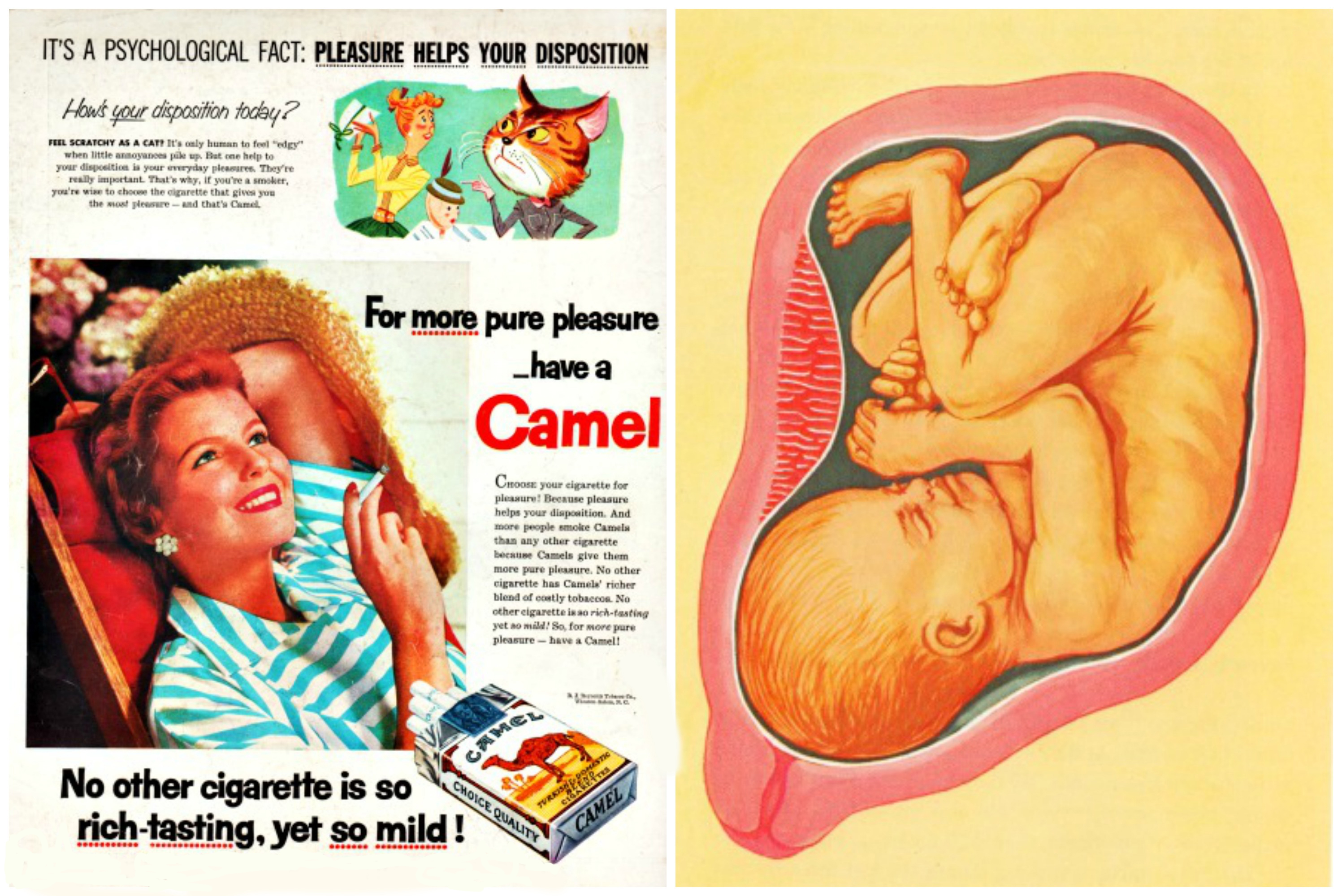
Unknown to any of today’s breast cancer researchers, from 1950 to 1975 100% of US cigarettes were heavily contaminated with DDT and other organochlorine insecticides like Toxaphene, Heptachlor, Dieldrin and Endosulfan. When DDT was the only available insecticide for tobacco, until the late 1940s, it was most heavily used, and early industry data showed concentrations above 100 PPM in cigarettes in the early 50s. By the 1960s other organochlorines had been developed for tobacco crops so total DDT in cigarettes went down, while total organochlorines went up throughout the 1960s. By the mid-1970s new classes of pesticides were replacing the organochlorines in cigarette smoke.
| Pesticide | First Registration Date |
|---|---|
| DDT | 1945 |
| Aldrin | 1948 |
| Dieldrin | 1950 |
| Heptachlor | 1952 |
| Chlordane | 1954 |
| Endrin | 1950 |
| Toxaphene | 1947 |
DDT and Breast Cancer: Prospective Study of Induction Time and Susceptibility Windows
https://pmc.ncbi.nlm.nih.gov/articles/PMC6695310/
“A recent report has linked in utero DDT exposure with DNA methylation of BRCA1 in cord blood that reduces gene expression. This suggests that DDT exposure in early life could impair DNA repair, possibly helping to explain why in utero and infancy exposure to DDT is so strongly associated with early onset breast cancer.”
There are currently around 40 million US women born between 1950 and 1970 when between 30-35% of women 15-44 smoked. While actual “smoking during pregnancy” statistics are scarce from those years, it looks like 30% who did so is a good conservative number. This translates to roughly 12 million women in the US today between 55 and 74 who are at elevated risk due to maternal smoking in the 50s and 60s.
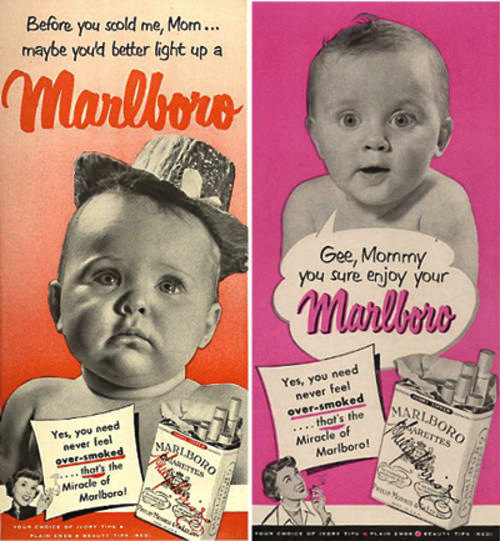
Terrible as this was and is, this also points to DDT and organochlorines as previously unrecognized causal factors in Breast Cancer (and other cancers) and given the nature of the changes that create the elevated risk, understanding the role of prenatal DDT exposure may open new preventative and therapeutic options.
For example, there are very promising developments in treating the BRCA1 damage that underlies breast cancer development but to apply any such therapy effectively doctors must have an accurate idea of the target. If they’ve never heard of DDT in US cigarettes in the 50s and 60s, then they’ve probably never considered treatment for maternal/fetal DDT and organochlorine exposure early in the lives of today’s breast cancer patients.
Harnessing Epigenetics for Breast Cancer Therapy: The Role of DNA Methylation, Histone Modifications, and MicroRNA
https://pmc.ncbi.nlm.nih.gov/articles/PMC10138995
‘Disturbances in the processes of epigenetic reprogramming of genomic DNA transcriptional activity may be the cause of neoplastic transformation. The fact that epigenetic aberrations, unlike genetic mutations, are potentially reversible and can be restored to their normal state by epigenetic therapy makes any epigenetic research promising and therapeutically relevant.”
Since the heavy presence of DDT in all cigarettes from 1950 through the 70s is never recognized or accounted for, none of the new epigenetic therapies can possibly be accurate in identifying epigenetic origins of breast cancer that is the result of daily, continual maternal/fetal exposure to DDT, Toxaphene, Heptachlor, Dieldrin and Endosulfan through smoking.
I’m writing this post to point out an alarming link between the maternal smoking of heavily pesticide contaminated cigarettes during the 1950s/60s and the heightened breast cancer risk in their daughters today. Given that women born in these decades now exhibit the highest breast cancer rates, and considering the smoking rates among their mothers, it seems quite clear that fetal exposure to DDT and other organochlorine insecticides like Toxaphene, Heptachlor, Dieldrin, and Endosulfan has had long-lasting and severe health consequences for women today.
This hidden connection suggests that epigenetic factors, introduced via these chemicals, play a significant role in the development of breast cancer. As recent advancements in epigenetic therapies hold promise, understanding the influence of inhaled, not ingested DDT and other organochlorine insecticides on maternal/fetal health is crucial for effective prevention and treatment strategies.
Given these findings, it ought to be imperative for the medical and research communities to recognize and address the impact of past environmental pesticide exposures through smoking on present-day health. This will require a re-thinking of the nature of the threat posed by smoking to include these complex chemicals designed to interrupt and destroy biological processes.
Healthcare professionals and researchers should integrate this knowledge into their diagnostic and therapeutic approaches, considering the potential epigenetic origins of breast cancer and many other diseases. This is a clear case for new research on the epigenetic consequences of smoking and inhaled pesticides, and given the widespread use of pesticide-contaminated Cannabis among men and women in their reproductive years this research now includes many millions more future children at risk.


 panaceachronicles